| Difficulty Level: |
 |
fairly easy |
Parts and Tools
- 2 x timber (500 x 50mm)
- 2 x timber (approx 60 x 35mm)
- Hinge and screws
- Screwdriver
|
- hand drill with 4mm bit
- 8 x 4mm wood screws (1" long)
- PVA wood glue
|
Instructions
Students are sometimes required to measure the speed of sound using a clapper, a stopwatch and a long tape measure or trundle wheel. The clapper is positioned at one end of the sports field and a listener with a stopclock is positioned at the other.
The device is clapped and the stopwatch started. When the listener hears the clap, he records the time the sound took to reach them.
This practical may be conducted in various other ways. For example the clapper and listener may be the same person and the time it takes the sound to travel a distance, bounce off of a wall and back to the listener recorded and the speed of sound calculated.
This guide shows how to construct a simple wooden clapper. Clappers can be made in different ways and traditional film clapper boards can be used to good effect if you can source them. This clapper is designed to be big enough so that the listener can clearly see the board 'clap' from a distance. Also the handles ensure that fingers are free of the pinch area.
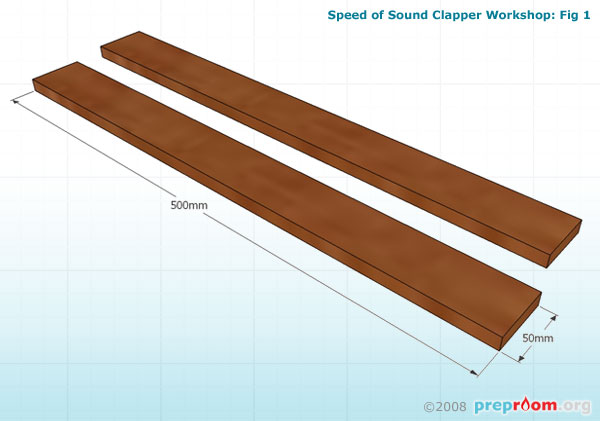
Fig 1: Approximate measurements of the two main wooden pieces
Fig 1 shows the approximate measurements of the two main wooden pieces. The wood should be a fairly sturdy type of around 10-12mm thickness. The surfaces should be as flat as possible to achieve a good clean sound. File any rough edges to remove any splinters. Standard timber is better than chipboard or MDF for this clapper and should last longer without need for repair.

Fig 2: How to mount the hinge
Fig 2 shows how to mount the hinge. Use as many screws as required to ensure the hinge is secure. Once the hinge is attached, try the clapper and make sure that it closes without twisting sideways. Over time these screws may come loose or the hinge may be bent slightly so make sure the clapper is inspected before each use.

Fig 3: Handles
Two further pieces of timber should be used as handles (see fig 3). These need to be approximately 60 x 35mm although this measurement can be altered to suit the length of the clapper. These are required to ensure fingers cannot become trapped in the clapper when activated. To attach the handles, drill four holes from the inside of the clapper and attach using 1" wood screws. A small amount of PVA may also be applied before screwing together to make the join stronger.
Make sure the screws are countersunk so that the closing surface is flush.
The speed of sound is a measurement of sound waves travelling through a specific medium. Under normal atmospheric conditions, the speed of sound travelling through air is 343 m/s (metres per second) or 769.5 miles per hour.
More information about the Speed of Sound can be found in our Info Library section.
Disclaimer
Before attempting any of the construction projects featured on this website, ensure you have, and know how to use, the appropriate tools, components and safety equipment and are competent to undertake the project. These guides are for information only and we hold no responsibility for any accidents, injuries or damage caused by the use or misuse of any equipment, project or information contained within this website. In short - use common sense and stay safe!