| Difficulty Level: |
 |
fairly easy |
Parts and Tools
- Timber (100 x 50 x 12mm)
- Timber (100 x 40 x 7mm)
- Plywood 2 x (100 x 50 x 3mm)
- PVA wood glue
- Tenon saw
|
- Ruler
- Sandpaper
- Plasticine or Blu-Tak
- G Clamp
|
Instructions
This guide shows how to make a very simple lens holder from only four wooden parts.
Lens holders are used in physics lessons to securely hold a variety of lens types, coloured gel filters or diffraction gratings. They can be purchased from most lab suppliers but are very easy and cheap to make, especially if made in bulk.
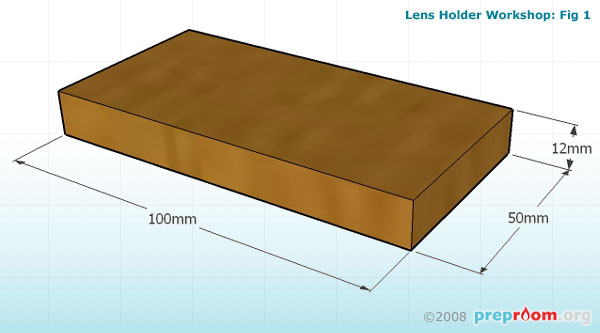
Fig 1: Base dimensions
Firstly a block of timber needs to be cut that is approximately 100 x 50 x 12mm (see fig 1). These measurements may be changed to suit the intended application. For example large Fresnel lenses may need a bigger holder.
Ensure all rough edges are sanded down.
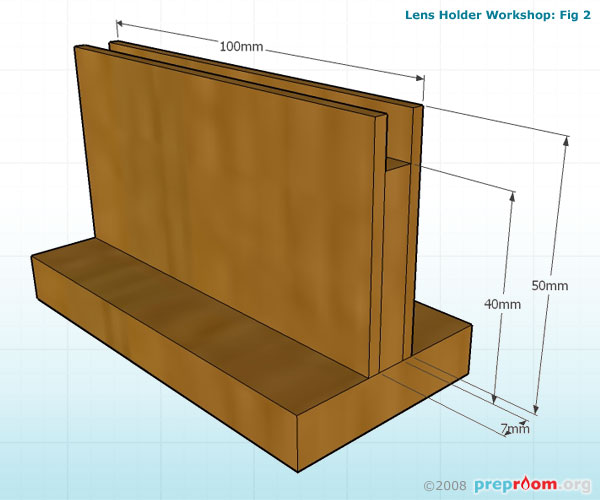
Fig 2: Glue the other 3 peices to the base
Fig 2 shows how the other three wooden pieces are to be attached. Sandwich the 100 x 40 x 7mm piece of timber between the other two plywood pieces and glue in place with PVA wood glue, lining up the bottoms of the pieces so they will sit flat on the base. Hold the pieces in a 'G' clamp until the glue has dried and sand down any rough edges.
Attach these pieces to the base using PVA wood glue and again use a 'G' clamp until the glue has dried (usually 24 hours).
The thickness of the central piece can be adjusted to suit the type of lenses you wish the device to hold. Many commercial lenses are approx 7mm thickness which is why we suggest this size but before constructing this model, check the dimensions of the lenses you wish to hold.
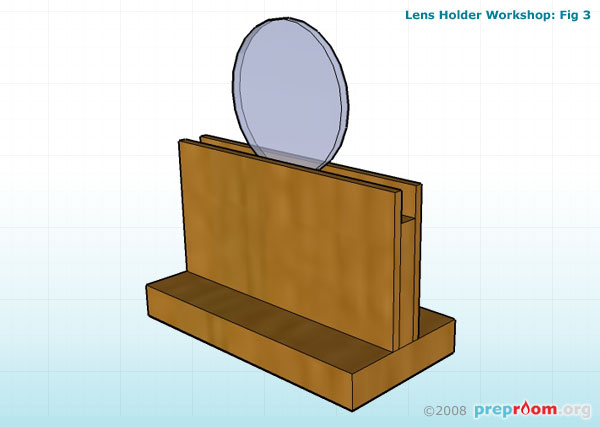
Fig 3: Lens in place (use Blu-Tack to secure in place)
A small amount of plasticine or Blu-Tak can be used to hold the lenses securely in place (see fig 3).
This model will hold both round and square lenses and a variety of filters, gratings and slits. Always ensure the lenses are held securely using plasticine so that they cannot easily fall out.
With the cost of one of these holders being approximately 30p or less, class sets are easily and cheaply constructed saving many pounds compared to commercially purchased units.
Disclaimer
Before attempting any of the construction projects featured on this website, ensure you have, and know how to use, the appropriate tools, components and safety equipment and are competent to undertake the project. These guides are for information only and we hold no responsibility for any accidents, injuries or damage caused by the use or misuse of any equipment, project or information contained within this website. In short - use common sense and stay safe!