
This guide shows how to construct a solar radiometer. This radiometer consists of four squares of aluminium foil attached to a suspended match. These squares are painted black on one side and white on the other. When the device is exposed to direct sunlight or a strong artificial light or heat source, the vanes turn. Cooling causes the vanes to turn in the opposite direction.
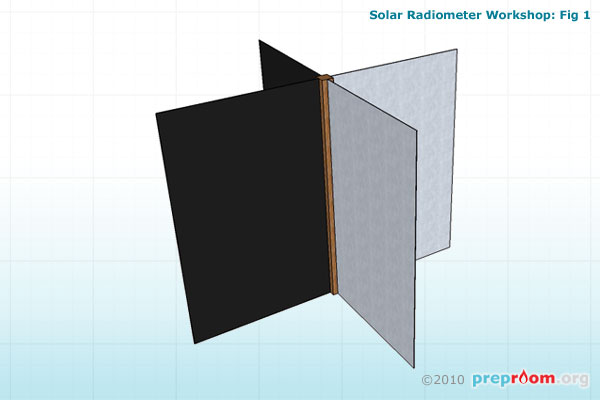
Firstly four small squares of aluminium foil need to be cut. Each square should be about 3cm in length and height. The four pieces should be attached to a single match as shown in Fig 1. These can be glued in place using PVA and left to set.
Each square needs to be blackened on one side, with the bright sides all facing in the same direction. To do this, light a candle and carefully hold each square over the candle flame until soot has blackened the majority of the surface. Take care when doing this as the foil becomes obviously very hot. To assist in this, a knife can be held behind each foil piece.

Fig 2 shows a beaker of an appropriate size. A glass jar could also be used. A lid also needs to be selected that the foil pieces can be suspended from. The seal around the lid does not need to be air tight but should form a fairly good seal so that heat is trapped within the jar.
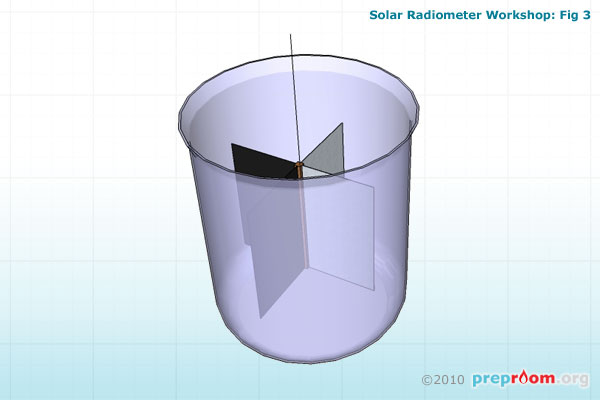
Fig 3 shows the hair which is attached to the match. Again, use glue to secure this in place. The thinner the hair or string, the more movement you are likely to see from the vanes so the thinner the better. This hair should be glued to the lid of the jar or beaker so that the vanes are suspended within the centre of the jar.
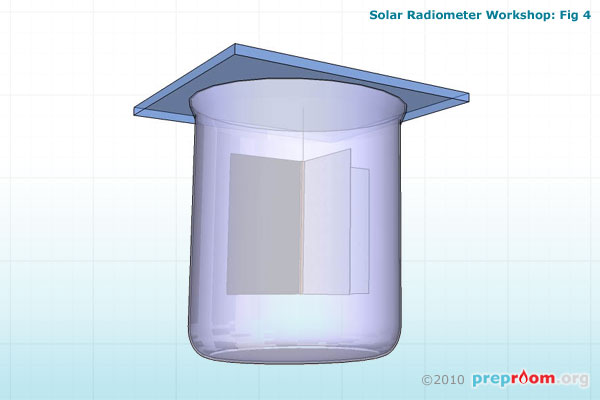
Fig 4 shows the completed model. This should be placed in direct sunlight for it to work most effectively.